What is packaging optimization?
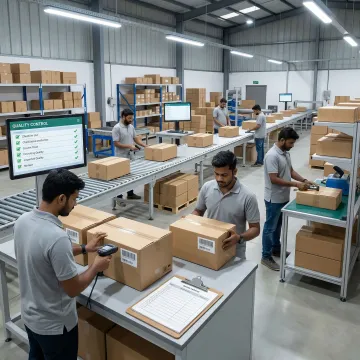
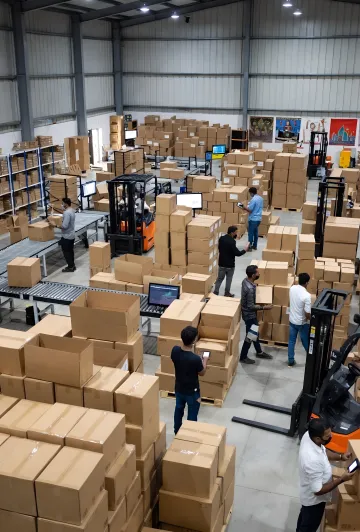
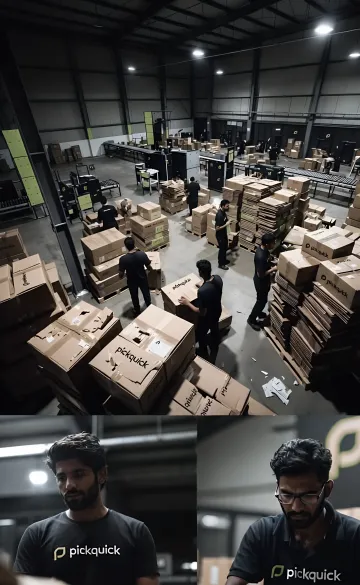
Packaging optimization is the systematic improvement of product packaging processes to meet specific platform requirements and operational standards. In Quick Commerce, this means ensuring every unit leaving your warehouse has scannable barcodes, compliant labeling, damage-resistant outer packaging, correct weight and dimensions, and visible regulatory information—all designed to pass platform GRN checks, minimize DN scores, and support rapid replenishment cycles across dark stores.
Pack size refers to the quantity, weight, or volume contained in a single sellable unit (e.g., 500g, 1L, 250ml). In Quick Commerce, pack size must be clearly visible on packaging, accurately mapped in platform catalogs, and optimized for consumer preferences in hyperlocal markets. Platform algorithms use pack size for search categorization, pricing comparison, and replenishment planning—making accurate pack size specification critical for discoverability and conversion.
Why do Quick Commerce platforms reject packaging at GRN?
Platforms reject packaging during Goods Received Note (GRN) inspection when units fail quality standards: unreadable barcodes, missing FSSAI details, damaged outer cartons, weight discrepancies, unclear MRP printing, poor sealing, or hygiene concerns. Each rejection creates a Discrepancy Note (DN) that negatively impacts your brand's expansion eligibility. High DN scores signal unreliable supply, causing platforms to limit your dark store allocation and slow replenishment cycles—directly impacting revenue potential.
How does packaging affect dark store expansion?
Clean packaging with zero defects earns green signals for expansion. Platforms monitor your GRN performance, DN scores, and packaging quality continuously. Brands with consistent packaging compliance get faster approvals for new dark stores, higher Min-Max limits (more inventory per store), and priority in city expansion cycles. Poor packaging creates operational friction, delays expansion, and caps your growth potential—regardless of product demand or sales velocity.
What barcode requirements do QC platforms have?
Quick Commerce platforms require GS1-registered barcodes (UPC/EAN) that are clearly printed, undamaged, and scannable at every touchpoint—motherhub inwarding, picker stations, and delivery verification. Barcodes must be positioned consistently, meet minimum size standards, have sufficient white space margins, and maintain high print quality. Failed barcode scans delay GRN processing, create manual intervention requirements, and slow replenishment cycles—all of which damage platform relationships and limit expansion.
How long does packaging optimization take?
Initial packaging audits and gap identification typically take 1-2 weeks. Implementation of corrective measures—including barcode reprinting, carton redesign, labeling updates, and team training—usually requires 3-4 weeks depending on SKU count and current packaging complexity. Full optimization with measurable DN score reduction is typically achieved within 6-8 weeks. We prioritize quick wins first (barcode fixes, labeling corrections) while implementing structural improvements (carton strength, combo compliance) in parallel to minimize time-to-impact.
Do different QC platforms have different packaging requirements?
Yes, while core requirements overlap (barcode quality, FSSAI visibility, damage resistance), each platform has specific nuances. Blinkit emphasizes picker image clarity and carton labeling precision. Zepto prioritizes barcode scanability and expiry date visibility. Instamart focuses heavily on hygiene and unit-level quality. JioMart requires bulk-pack readiness and GT-style outer packaging. Our optimization service accounts for all platform-specific requirements, ensuring your packaging passes every platform's standards without requiring separate SKU variants.
Can packaging optimization reduce my Quick Commerce costs?
Absolutely. Optimized packaging directly reduces multiple cost centers: lower DN scores mean fewer rejections and return fees (₹50 per rejected unit), better carton strength reduces damage compensation charges (60-80% of MRP), faster GRN processing cuts storage/ageing fees, improved barcode scanability eliminates manual processing delays, and cleaner packaging quality reduces picker errors and customer complaints. Brands typically see 15-25% reduction in platform-related operational costs within the first quarter post-optimization, while simultaneously unlocking faster expansion and higher revenue potential.